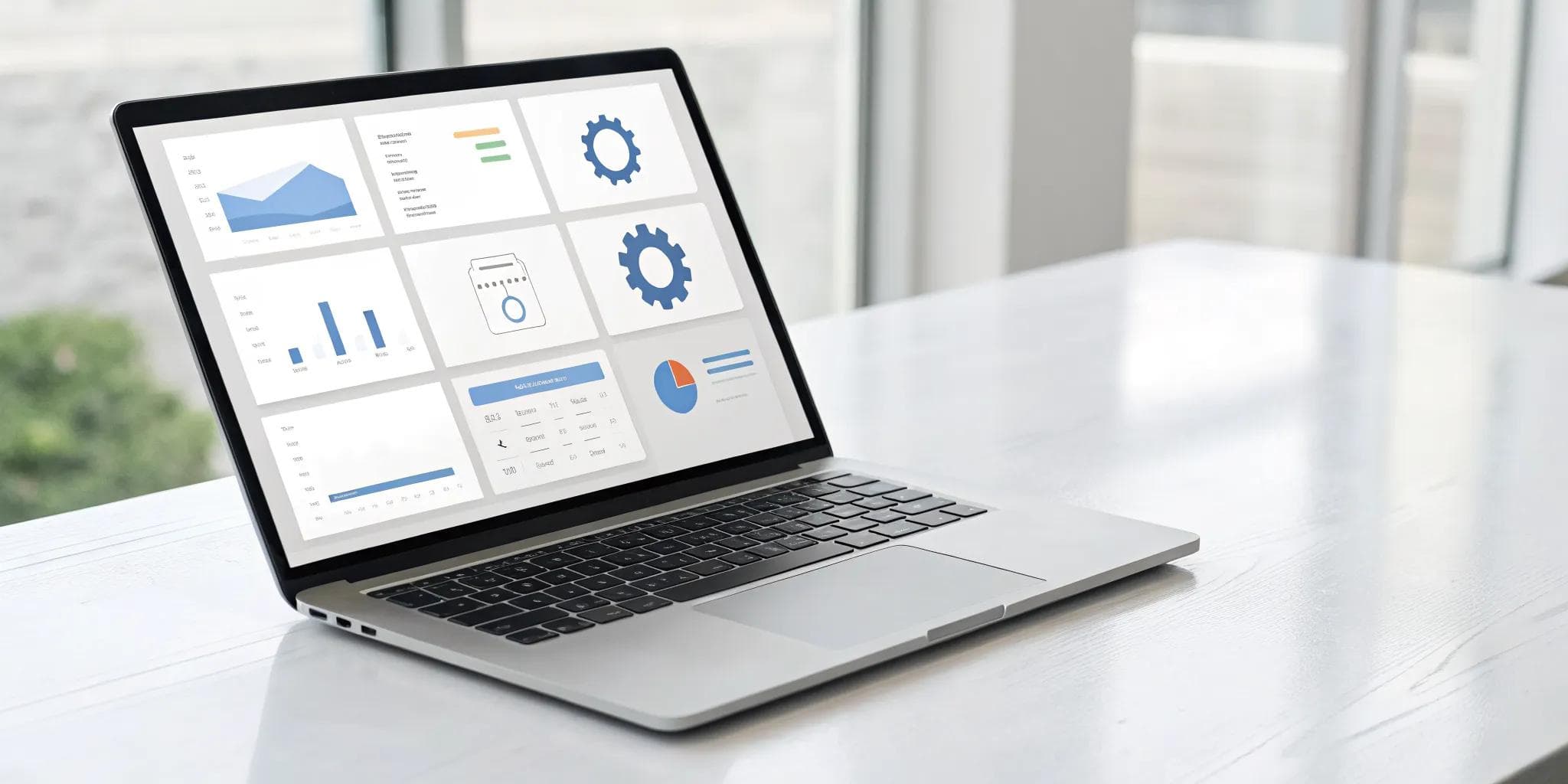
Think of your company’s physical assets like a professional sports team. You have your star players (the heavy machinery), your reliable veterans (the vehicle fleet), and your essential support staff (the power tools). Without a coach and a playbook, you just have a group of individuals running around the field. Breakdowns happen at the worst times, key players go missing, and you can’t execute your game plan. Equipment management software is the head coach and digital playbook for your assets. It tracks every piece of equipment's location, condition, and performance in real-time, scheduling preventive maintenance to avoid costly "injuries" and ensuring the right assets are on the field for every project.
Key Takeaways
- Move Beyond Manual Tracking: Relying on spreadsheets creates hidden costs through unexpected downtime, lost assets, and unnecessary purchases. The right software provides the real-time data you need to transition from reactive fixes to a proactive, cost-saving strategy.
- Focus on Core Value Drivers: The most impactful software automates preventive maintenance to reduce breakdowns and offers clear utilization analytics. These features provide the business intelligence to optimize your fleet, extend asset life, and make smarter financial decisions.
- Choose a Partner, Not Just a Product: The right solution aligns with your specific industry needs, integrates with your existing systems, and comes from a vendor who provides excellent support. Defining clear goals and working with an expert advisor ensures your technology investment delivers measurable business outcomes.
What is Equipment Management Software?
If you’re still using spreadsheets or paper logs to keep track of your company’s equipment, you know how quickly things can get messy. Assets go missing, maintenance gets overlooked, and you’re left guessing about the true state of your inventory. This is where equipment management software comes in. Think of it as a centralized digital hub for all your physical assets, from tools and machinery to vehicles and IT hardware.
Instead of just listing what you own, this software actively helps you track, maintain, and optimize everything. It replaces manual record-keeping with an automated system that gives you a real-time view of your assets. The main goal is to improve your operational efficiency by scheduling preventive maintenance, reducing costly downtime, and controlling repair expenses. In fact, businesses using these platforms have found they can cut equipment downtime by up to 70% and save around 20% on machine and maintenance costs.
This software helps you manage repairs, track when equipment needs service, and monitor how much each asset is used. By consolidating all this information, you can move from reactive fixes to a proactive maintenance strategy. Ultimately, equipment management software provides the accurate data you need to make informed decisions, ensuring your assets support your business goals instead of holding them back.
The Real Cost of Manual Equipment Tracking
Relying on spreadsheets or paper logs to track your equipment might feel like a cost-saving measure, but the hidden expenses can quickly pile up. Manual tracking is often a reactive process, leaving you to deal with problems only after they’ve already impacted your operations and your budget. When you don't have a clear, real-time view of your assets, you're exposed to risks that go far beyond a misplaced tool. These aren't just minor inconveniences; they are significant financial drains that affect productivity and profitability. From sudden equipment failures to purchasing assets you already own, the true cost of manual tracking is measured in lost time, wasted resources, and missed opportunities.
Unexpected Downtime from Missed Maintenance
When you're juggling multiple projects, it's easy for preventive maintenance schedules to fall through the cracks of a manual system. A missed oil change or a forgotten inspection can lead to a catastrophic failure, bringing a critical piece of equipment offline without warning. This unexpected downtime doesn't just pause one task; it can halt an entire project, causing schedule overruns and damaging your reputation. The financial hit is significant. However, with a proactive approach supported by the right software, you can dramatically reduce these incidents. Effective equipment management can cut downtime by up to 70% and save around 20% on maintenance costs, turning a major liability into a predictable, manageable expense.
Lost Assets and Poor Visibility
How much time does your team spend searching for equipment? With manual tracking, you often lack a single source of truth for where everything is. This poor visibility extends to all your assets, from large machinery and rental equipment to smaller, valuable tools. When an item is needed, the search begins, wasting valuable labor hours. Worse, this often leads to "ghost assets," which are pieces of equipment that are lost or stolen but still listed on your books. The result? You end up spending money to rent or buy replacements for equipment you already own but simply can't locate. Furthermore, without clear data, you can't see how your assets are being used. An expensive machine sitting idle is a drain on your capital.
Costly Decisions Based on Bad Data
Making strategic decisions with outdated or inaccurate information is a recipe for financial strain. Manual logs are prone to human error and are rarely updated in real time, giving you a flawed picture of your fleet's status. Are you thinking of buying a new front-loader? Your spreadsheet might show that all your current ones are deployed, but it won't tell you that one has been sitting unused at a finished site for two weeks. This is how bad data leads to expensive, unnecessary purchases. To make smart choices about resource allocation, you need a clear, comprehensive view of your assets across the entire organization. Our Technology Brokerage-as-a-Service helps you find solutions that provide this real-time data, ensuring your investments are based on facts, not guesswork.
Must-Have Features in Equipment Management Software
When you start looking at equipment management software, the sheer number of options can feel overwhelming. The good news is that the best platforms are all built around a core set of powerful features. Think of this as your essential checklist. While some features might be more critical for your specific industry than others, these are the non-negotiables that separate a basic tracking tool from a true business asset.
Understanding which combination of features will deliver the most value is the key to making a smart investment. You need a solution that not only solves today's problems but also scales with you as your business grows. This is where having an expert on your side can make all the difference. A technology brokerage partner can help you cut through the noise and find a vendor whose platform is perfectly aligned with your operational goals and existing tech stack, ensuring you get it right the first time.
Asset Tracking and Inventory Management
At its core, equipment management software is about knowing what you have and where it is. This is the foundational feature that replaces messy spreadsheets and outdated paper logs. With centralized asset tracking, you get a real-time, bird's-eye view of all your equipment, from heavy machinery on a job site to laptops assigned to employees.
This digital inventory system allows you to check assets in and out, assign them to specific projects or people, and monitor their status instantly. It eliminates the frustrating and costly guesswork that leads to lost or stolen tools. By creating a single source of truth for your entire inventory, you improve accountability across your team and ensure everyone is working with the same live information.
Maintenance Scheduling and Automated Alerts
Unexpected equipment failure is one of the biggest drains on productivity and profitability. This feature helps you shift from a reactive "fix it when it breaks" model to a proactive, preventive maintenance strategy. You can schedule routine service based on usage, time, or manufacturer recommendations, extending the life of your assets and minimizing costly downtime.
The real power lies in the automated alerts. The system can send notifications to your team for upcoming service, required inspections, or expiring certifications. This automation takes the human error out of tracking complex maintenance schedules, ensuring critical tasks are never missed. It keeps your equipment running smoothly and your projects on schedule.
Utilization Analytics and Reporting
Are you getting the most out of your equipment? This feature gives you the data to answer that question with confidence. The software tracks how often each asset is used, measuring key metrics like operating hours versus idle time. This information is presented in easy-to-read dashboards and reports that reveal powerful insights into your operations.
With clear utilization data, you can make smarter decisions about your fleet. You might discover you’re paying to store and maintain equipment that’s rarely used, signaling an opportunity to sell it. Or, you might find that certain high-demand assets are a bottleneck, justifying a new purchase. These analytics provide the business intelligence you need to optimize your inventory and maximize your return on investment.
Integration Capabilities and Scalability
Your equipment management software shouldn't operate in a silo. To be truly effective, it needs to connect with the other business systems you already rely on, such as your accounting, ERP, or project management software. This integration creates a seamless flow of information across your organization, ensuring data consistency and eliminating the need for manual double-entry.
As your business evolves, your software needs to evolve with it. Scalability means the platform can handle a growing number of assets, users, and data points without a drop in performance. When evaluating options, it's crucial to confirm that the software can not only meet your current needs but also support your future growth. Our Technology Brokerage-as-a-Service helps you vet vendors for these exact capabilities.
Mobile Accessibility and IoT Connectivity
So much of the work involving equipment happens in the field, not behind a desk. Mobile accessibility is essential for empowering your team on the go. With a dedicated mobile app, technicians can log maintenance, field crews can check out tools, and managers can view asset locations, all from their phones or tablets.
Taking this a step further, many modern systems connect with the Internet of Things (IoT). By attaching GPS trackers or telematics sensors to your equipment, you can pull in live data on location, engine hours, fuel consumption, and even diagnostic codes. This real-time information feeds directly into your management platform, giving you an unparalleled level of visibility and control over your assets.
Compliance and Safety Tracking
In many industries, maintaining safety and compliance standards isn't just good practice; it's the law. The right software can be a huge asset in managing this responsibility. It provides a centralized place to store and track critical documentation, such as operator certifications, training records, and pre-use inspection logs.
This feature helps you create a digital paper trail, making it easy to demonstrate compliance during an audit. Some advanced systems even incorporate tools like AI-powered cameras for vehicles or digital forms for safety checks. By embedding safety and compliance into your daily workflows, you can reduce risk, protect your team, and safeguard your business from potential liability.
Top Equipment Management Software: A Quick Comparison
Sifting through all the equipment management software options can feel overwhelming. To make it easier, I've put together a quick rundown of some of the top players in the market. Each one has its own strengths, so think about your specific industry and what you need to track as you read through. This list will give you a solid starting point for understanding what’s available before we take a closer look at our top picks.
Here’s a quick look at seven popular tools that cater to different business needs:
- Fleetio: This platform is a great choice if your business relies heavily on vehicles. It’s designed to track everything from trucks and trailers to smaller attachments, all in one place, making it a go-to for streamlining fleet management.
- Cheqroom: Cheqroom shines when it comes to managing specialized gear, like AV or IT equipment. Its standout feature is a robust check-in/check-out system that gives you a clear view of who has what, which is perfect for teams that frequently lend out assets.
- Tenna: Built specifically for the construction industry, Tenna helps you manage mixed fleets and materials across multiple job sites. It’s tailored to solve the unique challenges that come with tracking heavy machinery and tools in the field.
- HCSS Equipment360: Known for its focus on heavy equipment maintenance, HCSS Equipment360 offers comprehensive tracking and repair management. It’s particularly well-suited for companies that need to keep significant heavy machinery in top condition.
- Asset Panda: This software provides a highly flexible and customizable platform. This makes it a versatile option for businesses that need to track a wide variety of different asset types, not just one specific category of equipment.
- AssetTiger: For smaller organizations or those just starting with asset management, AssetTiger is a compelling option. It’s a free, cloud-based service that covers the basics of inventory management without the upfront cost.
- Raken: Raken simplifies how you track usage, maintenance schedules, and issues for both owned and rented equipment. It’s a practical tool for construction and field service companies that need real-time data from the job site.
Our Top 7 Picks for Equipment Management Software
Finding the right equipment management software can feel like searching for a needle in a haystack. With so many options available, each promising to solve all your problems, it’s easy to get overwhelmed. The truth is, the "best" software is the one that fits your specific industry, team workflow, and business goals. A tool that’s perfect for a construction company might be a poor fit for an AV rental house.
To help you get started, we’ve put together a list of seven standout platforms. We chose these tools based on their powerful features, user-friendly designs, and strong reputations across different industries. Think of this as your curated starting point for exploring what’s possible. As you read through, consider which features resonate most with the challenges you’re facing today.
Remember, this list isn’t exhaustive. It’s a snapshot of the market's top contenders. The real magic happens when you match your unique operational needs with the right technology solution. That’s where a strategic partner can make all the difference, guiding you through the selection process with a data-driven approach. Our Technology Brokerage-as-a-Service (TBaaS)™ model is designed to do just that, ensuring your investment delivers real business outcomes.
1. MR2 Solutions: Your Partner in Finding the Perfect Fit
Instead of offering a single piece of software, we take a different approach. At MR2 Solutions, we act as your dedicated technology advisor. We don't believe in one-size-fits-all solutions because we know every business has unique challenges and goals. Our job is to help you find the perfect equipment management software from our curated portfolio of over 300 technology providers, including many of the names on this list.
We use a data-driven process to understand your specific needs, from asset tracking to maintenance scheduling and budget constraints. Then, we match you with the ideal solution that will integrate seamlessly into your operations and deliver a clear return on investment. Think of us as your expert guide, saving you countless hours of research and preventing costly mismatches. Let's connect and find the right fit together.
2. Fleetio
If your equipment is constantly on the move, Fleetio is a name you should know. It’s a comprehensive platform designed for managing fleets of all sizes, but its capabilities extend beautifully to general equipment management. The software combines asset tracking, maintenance scheduling, and even fuel tracking into one clean interface.
What really makes Fleetio shine is its powerful mobile app. It allows your team to provide real-time updates from the field, conduct inspections, and manage work orders on the go. This keeps everyone in sync and reduces the administrative burden on your technicians and drivers. Plus, its strong integration capabilities mean it can easily connect with the other software tools you already use, creating a more unified operational ecosystem.
3. Cheqroom
For businesses in the rental and production space, Cheqroom is a game-changer. It’s specifically built for industries like AV production, creative agencies, and IT departments that need to manage check-outs and returns for a large inventory of gear. The platform simplifies booking, tracks equipment availability in real time, and sends automated reminders for maintenance or return dates.
Users consistently praise its intuitive, visual design, which makes it easy to see who has what and when it’s due back. If your business juggles equipment across multiple job sites, projects, or locations, Cheqroom provides the clarity you need to keep everything organized. It’s an excellent choice for preventing double bookings and ensuring your valuable assets are always accounted for and in top condition.
4. Tenna
When your most valuable assets are heavy machinery and equipment spread across vast job sites, visibility is everything. Tenna is a construction-focused platform that excels at providing real-time location and utilization data for your entire fleet, from large excavators to smaller tools. Its robust GPS tracking and telematics capabilities give you a bird's-eye view of your operations.
Beyond just knowing where your equipment is, Tenna provides powerful analytics that help you make smarter, data-driven decisions. You can monitor engine hours, identify underutilized assets, and optimize deployment to improve project efficiency. For any company in construction, logistics, or field services, Tenna offers the deep insights needed to maximize asset performance and protect your investments from theft or misuse.
5. UpKeep
UpKeep was designed with the maintenance technician at its core. It’s a mobile-first platform that makes it incredibly simple to create, assign, and track work orders from anywhere. Technicians can use their phones to receive notifications, log their hours, attach photos of equipment issues, and close out jobs, which streamlines communication and eliminates paperwork.
This focus on ease of use makes it a favorite among maintenance teams. By simplifying the process of reporting problems and scheduling preventive maintenance, UpKeep helps businesses move from a reactive "break-fix" model to a proactive strategy. This reduces unexpected downtime and extends the life of your equipment. If your goal is to empower your maintenance team and improve operational efficiency, UpKeep is a fantastic option.
6. Asset Panda
If you need a highly adaptable tool that can be configured to your exact needs, Asset Panda is worth a look. This flexible, cloud-based platform is used across a huge range of industries because it’s so customizable. You can create custom fields, reports, and workflows that match your unique processes for tracking and managing assets.
One of its most popular features is its integrated barcode and QR code scanner, which works directly from your smartphone. This makes physical inventory counts and asset check-ins fast and accurate. Users often highlight the platform's adaptability and the strong customer support team that helps them get everything set up just right. For businesses that don't fit into a standard mold, Asset Panda provides the flexibility to build the perfect system.
7. EZOfficeInventory
EZOfficeInventory is a powerful, all-in-one solution designed to give businesses complete control over their equipment and assets. It offers a comprehensive suite of features, including inventory tracking, maintenance scheduling, user management, and robust reporting. The platform is known for its clean, intuitive interface that makes it easy for teams to get up and running quickly.
The software’s detailed reporting capabilities are a major plus, allowing you to analyze everything from asset depreciation to maintenance costs and utilization rates. This helps you make informed decisions about future purchases and retirement schedules. With extensive support resources and a straightforward design, EZOfficeInventory is a solid choice for any organization looking for a comprehensive and user-friendly way to manage its assets from a central hub.
Understanding Equipment Management Software Pricing
When you start looking at equipment management software, you’ll quickly notice there’s no simple price tag. The cost can vary quite a bit, and it’s helpful to understand what factors are driving those numbers. Think of it less like buying a product off the shelf and more like investing in a solution tailored to your business.
The final price often depends on a few key things. First is the scale of your operation and the features you need. A basic plan for a small team might track a limited number of assets, while a more comprehensive system designed to handle everything from heavy machinery to small tools will naturally have a higher price point. For example, some platforms start their pricing based on the number of assets you manage; Asset Panda’s pricing begins at $183.33 per month for up to 250 assets. The more you need to track, the more you can expect to invest.
Another major factor is the licensing model. How many people on your team will need access? Some software providers charge per user, and you’ll want to consider if you need individual licenses for each mechanic or if you can use shared licenses for managers. Finally, think about the software's ability to connect with other systems you already use. Robust integration capabilities are a huge plus, but they can also influence the overall cost. When you're evaluating options, it's smart to look beyond the monthly fee and consider the total value, including customer support, security, and contract flexibility. This is where having a partner can help you weigh the options and find a solution that truly fits your budget and business goals.
Who Needs Equipment Management Software Most?
While almost any business with physical assets can find value in this software, some industries feel the pain of manual tracking more acutely than others. If your operations involve high-value, mobile, or complex equipment, you’re likely a prime candidate. Let's look at a few sectors where this technology isn't just a nice-to-have, but a fundamental part of running a smooth, profitable business. It helps you move past guesswork and make data-driven decisions that directly impact your bottom line.
Construction and Heavy Equipment
Managing a mix of bulldozers, trucks, and power tools across multiple job sites is a logistical puzzle. Standard asset software often falls short because it isn’t built for the rugged and varied nature of construction assets. You need to know not only where your excavator is but also when its next service is due to avoid costly downtime in the middle of a critical project. This is where dedicated construction equipment management software becomes essential, offering a single source of truth for your entire mixed fleet. It gives you the visibility to allocate resources effectively and keep projects on schedule.
Logistics and Fleet Management
For logistics and fleet-based businesses, success is measured in uptime and efficiency. It’s not enough to just track a vehicle’s location; you need a complete picture of its health, usage, and maintenance history. Equipment management software extends beyond simple GPS to provide a holistic view of every asset. It helps you track, maintain, and optimize everything from long-haul trucks to the diagnostic tools your mechanics use. By automating maintenance schedules and analyzing utilization data, you can reduce unexpected breakdowns, control operational costs, and extend the life of your valuable assets.
Manufacturing and Field Service Operations
If your team is still relying on spreadsheets to track machinery and tools, you know how quickly that system breaks down. In manufacturing, an uncalibrated machine can halt an entire production line. For field service teams, a technician arriving at a job site without the right equipment means wasted time and an unhappy customer. Equipment management software replaces these outdated tracking methods, giving you a real-time view of your assets. It ensures that factory equipment is properly maintained and that field technicians are always equipped for the job at hand, improving first-time fix rates and operational readiness.
Audio-Visual and IT Companies
AV and IT companies juggle a constant flow of expensive, sensitive equipment moving between departments, events, and employees. Laptops, cameras, projectors, and servers are always on the move, and losing track of even one item can be costly. The key here is accountability. Specialized platforms with robust check-in/check-out features are built for this exact purpose, creating a clear record of who has what and when it’s due back. This simple process prevents accidental loss, deters theft, and ensures your valuable gear is available when needed, not sitting forgotten in a closet.
Overcoming Common Implementation Hurdles
Choosing the right equipment management software is a huge step, but the journey doesn’t end there. A successful implementation is what truly turns your investment into a business asset. Even the best software can fail if the rollout is rocky. Anticipating common hurdles like team resistance or data migration headaches is the key to a smooth transition. By planning for these challenges ahead of time, you can ensure your team is ready and your new system delivers value from day one.
Gaining Team Buy-In
Let’s be honest, change can be tough. Your team in the field has a job to do, and the last thing they want is a complicated new tool that slows them down. The secret to getting everyone on board is to focus on simplicity and personal benefits. The right software should be easy to use and designed to make their daily tasks easier, not harder. When your crew can share important data without extra hassle, they’ll see the value immediately.
Involve your team leaders and power users in the selection process. When they have a say in the decision, they become advocates for the new system. Frame the change around what they gain: less paperwork, quicker access to maintenance histories, and fewer surprise equipment failures. A successful rollout depends on showing your team that this new software is a tool that helps them, not just another task on their list.
Handling Data Migration and Integration
Moving your existing equipment data into a new system can feel like a monumental task. You have spreadsheets, maintenance logs, and financial records scattered across different places. The key is to choose a platform that plays well with others. A good platform should connect seamlessly with your existing business software, like your construction accounting systems or the tracking data from equipment makers like Caterpillar and John Deere. This prevents you from having to enter data twice and creates a single, reliable source of information.
Before you begin, map out a clear data migration plan. Decide what data needs to be moved, clean it up, and schedule the transfer. Working with an expert can make this process much smoother. A partner can help you find a solution with the right integration capabilities and guide you through the technical steps, ensuring no critical information gets lost in the transition.
Defining Clear Goals and ROI
To get the most out of your new software, you need to know what you want to achieve. Before you implement anything, sit down with your stakeholders and define clear, measurable goals. Are you aiming to reduce equipment downtime by 15%? Do you want to lower your annual maintenance costs or improve your asset utilization rate? Having specific targets helps you make smart choices about your equipment and your business operations.
These goals will be your North Star throughout the implementation process and beyond. They keep your team focused and provide a clear benchmark for success. Once the software is up and running, you can track your progress against these goals to calculate your return on investment (ROI). This data is essential for demonstrating the software's value to leadership and securing future technology investments.
Planning for Training and Support
You can’t just hand your team new software and expect them to become experts overnight. A thorough training and support plan is absolutely essential for adoption. Look for a software provider that offers comprehensive onboarding and ongoing support. Many top providers provide a dedicated team to help you set up the software and support your crews as they learn the ropes. This level of partnership is invaluable.
Your training plan should include hands-on sessions tailored to different roles within your company. Also, identify a few internal "champions" who can act as go-to resources for their colleagues. And don't forget about long-term support. Make sure your chosen vendor offers accessible customer service for when questions inevitably pop up. If you need help finding a provider with a stellar support reputation, our team at MR2 Solutions can connect you with the right fit.
How to Measure Your Software's Success
Once you’ve implemented a new software solution, the work isn’t over. The next critical step is to measure its impact. After all, you made this investment to solve specific problems, and you need to know if it's delivering the results you expected. Tracking the right key performance indicators (KPIs) will not only justify the expense but also highlight areas where you can further optimize your operations.
Instead of getting lost in a sea of data, focus on a few core metrics that directly reflect your initial goals. Are you trying to reduce costs, improve efficiency, or get more life out of your assets? By defining what success looks like from the start, you can clearly see the value your new system provides. This data-driven approach ensures your technology investments translate into tangible business outcomes, which is the ultimate goal. Let’s look at three of the most important metrics to track.
Equipment Utilization Rate
One of the fastest ways to see if your software is working is to look at your equipment utilization rate. This metric shows you how often your assets are actually being used versus sitting idle. High-value equipment that isn't in the field is a drain on resources, and this software gives you the visibility to fix that. By using utilization analytics, you can monitor usage patterns to optimize how equipment is allocated across job sites and teams. This helps you make sure every asset is contributing to your bottom line, preventing you from buying or renting new equipment when you already have underused assets available.
Maintenance Costs and Downtime Reduction
Unexpected equipment breakdowns are expensive, not just in repair costs but also in lost productivity. Effective equipment management software directly tackles this by shifting you from a reactive to a proactive maintenance strategy. The system tracks when equipment needs service, automates maintenance schedules, and alerts you before a minor issue becomes a major failure. The results can be dramatic. For example, some companies have seen a 65% reduction in breakdowns and a 10% drop in repair costs after implementing software to manage heavy equipment maintenance. Tracking these numbers will clearly demonstrate the software's ability to keep your operations running smoothly and predictably.
Return on Investment (ROI)
Ultimately, every business decision comes down to ROI. Measuring the return on your software investment involves looking at the complete picture. It combines the savings from reduced maintenance costs and downtime with the gains from improved equipment utilization. The right software provides the data you need to "make smart choices about your equipment and business," turning operational insights into financial gains. To truly maximize your ROI, however, you need to ensure your team is fully using the software. This is where having a partner like MR2 Solutions becomes invaluable. Our Technology Brokerage-as-a-Service (TBaaS)™ model ensures you not only select the right tool but also have the guidance to implement it for exceptional business outcomes.
How to Choose the Right Software for Your Business
Okay, you’ve seen the options, but how do you actually pick the one that’s right for you? It’s easy to get stuck in analysis paralysis when faced with so many choices. The key is to move past the marketing jargon and focus on what your business truly needs to succeed. Let’s break the decision down into a few clear steps to help you select your software with confidence.
Define Your Specific Needs
Before you even look at a demo, start by getting crystal clear on what you need the software to do. What specific problems are you trying to solve? Are you losing tools, struggling with maintenance schedules, or failing to track utilization? Make a list of your must-have features versus your nice-to-haves. Consider your industry and scale. A construction firm managing heavy machinery has different requirements than an IT company tracking laptops and servers. Your ideal software should be versatile enough to handle all types of equipment, from large vehicles to small handheld tools.
Look for a Unified, All-in-One System
The goal is to simplify, not to add another complicated program to your workflow. Look for a comprehensive platform that works as one complete system. Juggling multiple programs or relying on spreadsheets and notepads creates data silos and makes it impossible to get a clear picture of your operations. A modern, unified solution gives you a single source of truth for all your asset data. This integration is what allows you to move from simply tracking assets to making smart, data-driven decisions about maintenance, purchasing, and allocation.
Prioritize Vendor Support and Partnership
The software is only as good as the team behind it. When you invest in a platform, you’re also entering into a long-term relationship with the vendor. Do they offer robust customer support? Is their implementation team made up of experts who understand your industry’s challenges? Don’t underestimate the value of having a reliable partner to help with setup and ongoing questions. This is where having an expert advisor can make a huge difference, as they can help you evaluate vendors and their support models objectively.
Schedule Demos and Run the Numbers
Once you have a shortlist, it’s time to see the software in action. Don't just watch a generic video; ask for a personalized demo that addresses your specific use cases and challenges. This is your chance to ask tough questions and see how the platform would fit into your team’s daily routine. Finally, look at the financial impact. Ask for a cost savings report or use their pricing to calculate your potential ROI. The right tool shouldn't be a cost center; it should be an investment that pays for itself. If you need help building the business case, our team can guide you through the process.
Related Articles
- MR2 - ETM Enterprise Technology Management
- How to Get Help Choosing Enterprise Software | MR2 Solutions
Frequently Asked Questions
We're not a huge construction company. Can this software still help us? Absolutely. While the benefits are very clear for construction, any business that relies on physical assets can see a major impact. Think about AV companies juggling cameras and sound equipment, IT departments tracking laptops and servers, or field service teams managing vehicles and tools. The core problem is the same: you need to know what you have, where it is, and if it's in good working condition. The right software gives you that control, regardless of your industry.
How difficult is it to switch from spreadsheets to a new software system? This is a common concern, and it’s a valid one. The transition is much smoother when you approach it as a planned project rather than flipping a switch overnight. A good software provider will offer support to help you migrate your existing data, and the best platforms are designed to be intuitive for your team. The key is to involve your team early and focus on training, ensuring they see the software as a tool that makes their jobs easier, not more complicated.
Will this software work with the other business tools we already use? It should. A modern equipment management platform is not meant to be a standalone island. The best solutions are designed to integrate with other essential software, such as your accounting, project management, or ERP systems. This creates a seamless flow of information and prevents you from having to enter data in multiple places. When evaluating options, confirming these integration capabilities is a critical step to ensure the software fits into your existing technology environment.
How soon can we expect to see a return on our investment? You can see some benefits almost immediately, like having a real-time view of where all your equipment is located. The financial returns, such as savings from reduced maintenance costs and fewer equipment rentals, typically become clear within a few months. By tracking key metrics like equipment downtime and utilization rates, you can build a clear picture of the software's financial impact and demonstrate its value to your organization.
With so many options, how do we avoid choosing the wrong software? It’s easy to feel overwhelmed by the choices, and picking the wrong one can be a costly mistake. The best first step is to clearly define your own operational needs and goals before you even look at a demo. This is where working with a technology advisor can be invaluable. Instead of you having to research dozens of vendors, we can use our expertise and data-driven process to match your specific requirements with the ideal solution from our portfolio of trusted providers, ensuring you get it right the first time.