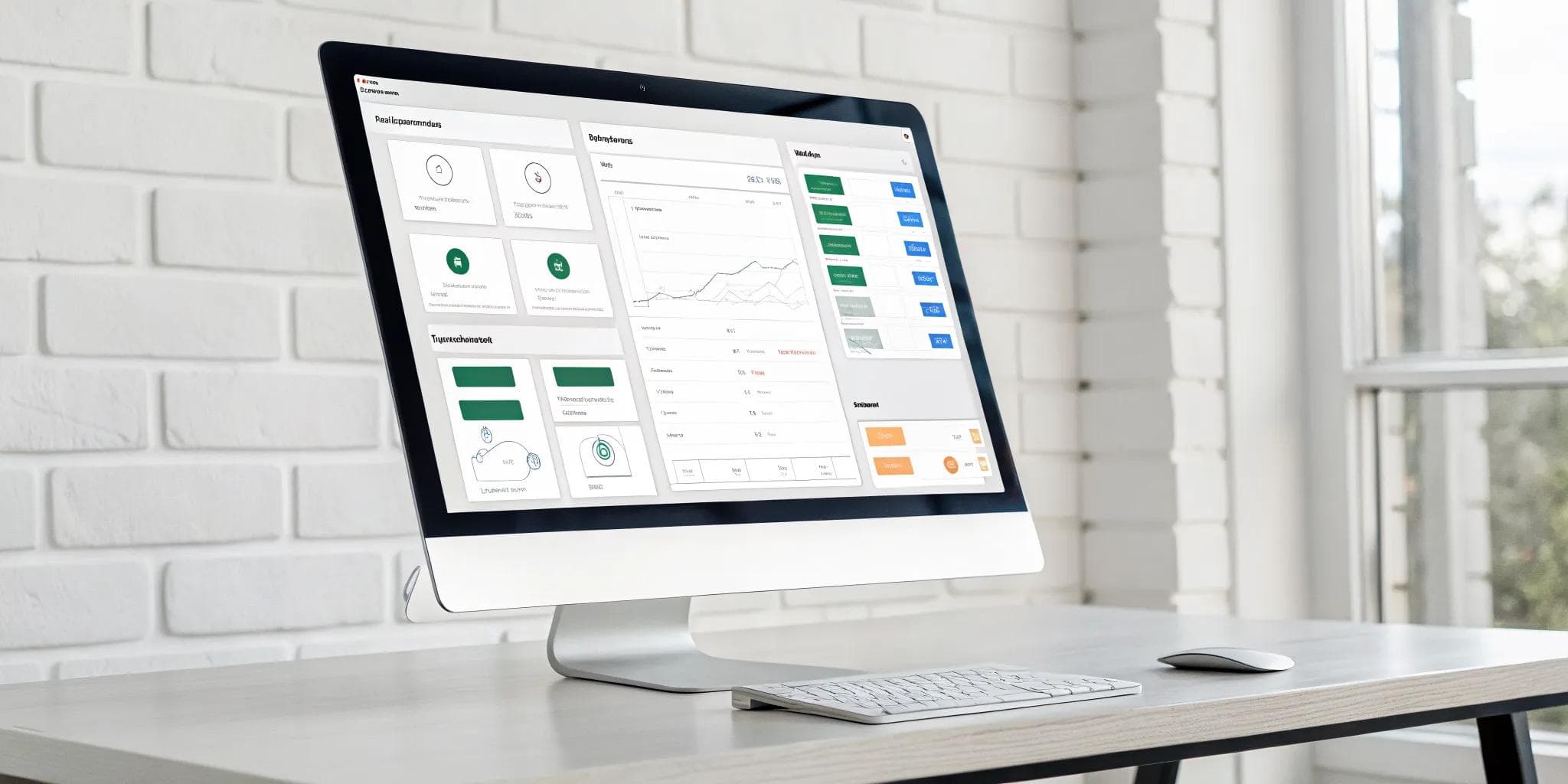
Think of your company's technology budget like a high-stakes investment portfolio. You wouldn't manage millions in assets with sticky notes and a basic calculator, so why manage your tech spend that way? Without a proper system, you're essentially guessing, hoping your investments pay off. This is the gap that IT procurement software for enterprises is designed to fill. It serves as the sophisticated financial platform for your technology investments, providing real-time data, expert analysis, and automated controls. It ensures every dollar is allocated intelligently, risks are minimized, and your entire technology portfolio is optimized for maximum growth and performance.
Key Takeaways
- Make Procurement a Strategic Advantage: Use IT procurement software to shift from manual, reactive purchasing to a data-driven function that controls spending, strengthens supplier relationships, and supports your core business objectives.
- Choose a Comprehensive Solution, Not Just Software: A top-tier procurement solution offers more than a platform; it provides expert guidance, access to a curated vendor portfolio, and a clear focus on achieving specific business outcomes.
- Ensure Success with a Clear Roadmap and KPIs: A smooth software implementation depends on a solid plan for change management and user training. Once live, track key performance indicators like cost savings and cycle times to measure your return on investment and continuously improve your processes.
What is IT Procurement Software and Why Do You Need It?
Think of IT procurement software as your command center for every technology purchase your company makes. Instead of wrestling with scattered spreadsheets, endless email chains, and manual approval processes, this software centralizes and automates the entire purchasing lifecycle. It’s designed to bring order, clarity, and strategy to how you acquire hardware, software, and IT services. For any growing enterprise, managing technology spend effectively is non-negotiable. Without a dedicated system, you risk overspending, making duplicate purchases, and losing track of supplier contracts, which can quietly drain your budget.
This kind of software isn't just about creating purchase orders more quickly. It’s about transforming procurement from a reactive, administrative task into a strategic function that directly supports your business goals. It gives you the visibility and control needed to make smarter purchasing decisions, manage supplier relationships effectively, and ensure every dollar spent on technology delivers a real return. By streamlining the process from request to payment, you free up your team to focus on more strategic initiatives instead of getting bogged down in paperwork. This shift allows procurement to become a source of competitive advantage, not just a cost center.
Core Features and Automation
At its heart, IT procurement software is built to centralize and simplify. It provides a single, unified platform where your team can manage every purchasing activity, from initial request to final invoice. This means you can finally say goodbye to tracking down approvals and purchase orders across different departments. Modern solutions also lean heavily on automation to handle the routine work for you. Some platforms even leverage Artificial Intelligence to help your business spend more efficiently by flagging potential savings and streamlining workflows. This gives your team a clear, consistent process for managing everything they buy.
The Payoff: Key Benefits for Your Operations
Implementing IT procurement software translates directly into significant operational gains. The most immediate benefit is cost savings. One leading platform reports that its customers save an average of 8.1% on their total spending. These savings come from preventing duplicate purchases, consolidating orders to negotiate better prices, and having complete visibility into your budget. Beyond the bottom line, you’ll see a major improvement in efficiency. With tools to manage your entire purchasing system, from setting budgets to tracking invoices, your team can operate faster and with fewer errors, giving them more time to focus on strategic supplier management and value creation.
Must-Have Features in IT Procurement Software
When you start evaluating IT procurement software, the sheer number of options can feel overwhelming. While every platform has its unique selling points, a handful of core features are non-negotiable for any enterprise looking to streamline operations and get the most value from its technology investments. These are the capabilities that separate a basic tool from a truly transformative solution. Think of them as your essential checklist for finding a platform that will not only meet your needs today but also scale with you tomorrow.
Automated Purchase Orders
Manual purchase orders are a classic time-sink, prone to human error and frustrating delays. Modern procurement software tackles this head-on with automated purchase orders. Instead of your team getting bogged down in data entry, the system handles the heavy lifting. Platforms like Tradogram automate the creation of purchase orders, requests for quotes (RFQs), and approval workflows. This shift frees up your team to focus on more strategic tasks, like negotiating better terms with suppliers, while ensuring the entire process is faster, more accurate, and fully documented for compliance. It’s a foundational feature for achieving real operational efficiency.
Simplified Supplier Relationship Management
Juggling supplier information across spreadsheets, emails, and documents is a recipe for confusion. A top-tier procurement solution brings all your supplier data into one clean, centralized hub. This makes it easy to track performance, manage contracts, and communicate effectively. For example, Precoro simplifies supplier management by keeping all information in a single location. It even allows suppliers to update their own catalogs, which fosters better collaboration and ensures your team is always working with the most current product and pricing information. This centralized approach is key to building stronger, more transparent supplier relationships.
Real-Time Spend Analysis and Budgeting
Waiting for a monthly report to find out you’re over budget is no longer acceptable. Effective financial control requires real-time visibility into your spending. The best procurement platforms provide dashboards that let you see how purchases impact your budget the moment they happen, not weeks later. Leading solutions from providers like Coupa offer tools that show the financial impact of a purchase before it’s even approved. This proactive approach to spend analysis empowers your team to make smarter financial decisions, prevent budget overruns, and ensure every dollar is accounted for and aligned with your strategic goals.
Seamless Integration with Existing Systems
Your procurement software can’t operate in a silo. For it to be truly effective, it must integrate smoothly with the other business systems you rely on every day, such as your ERP or accounting software. This connectivity is vital for maintaining data accuracy and ensuring a continuous workflow across departments. A platform with robust integration capabilities, like the all-in-one procurement platform from Tradogram, can connect with tools like QuickBooks. This eliminates the need for manual data transfer between systems, which reduces the risk of errors and creates a more cohesive, efficient operational environment for your entire organization.
AI-Powered Automation and Security
Artificial intelligence is taking procurement automation to the next level. Beyond just handling routine tasks, AI can analyze spending patterns, recommend cost-saving opportunities, and flag potential risks before they become problems. This intelligent layer helps your business spend smarter and more strategically. At the same time, security is paramount. Leading platforms leverage Artificial Intelligence not only for efficiency but also to bolster security measures. AI can help detect fraudulent activity and protect sensitive procurement data, giving you confidence that your financial information and supplier relationships are secure within the platform.
What Defines a Top-Tier Procurement Solution?
When you're evaluating IT procurement software, it’s easy to get lost in feature lists. But the best solutions offer more than just a platform; they provide a complete framework for making smarter technology decisions. They combine powerful software with expert guidance and a clear focus on your company’s goals. Think of it less as buying a tool and more as gaining a strategic partner. A top-tier solution stands on four key pillars: data-driven decision-making, a curated provider portfolio, expert advisory, and a relentless focus on business outcomes.
A Data-Driven Decision-Making Platform
Great procurement decisions aren't based on gut feelings; they're built on solid data. A premier solution gives you a platform to conduct thorough spend analysis, which is just a way of saying you can clearly see where your money is going. By evaluating your company's spending data, you can spot cost-saving opportunities, improve efficiency, and make sure your procurement strategy actually supports your larger business goals. This approach allows you to leverage data-driven insights to make strategic choices with confidence, turning your procurement process from a cost center into a value driver.
Access to a Vetted Provider Portfolio
Having too many options can be just as paralyzing as having too few. The best procurement solutions don't just give you a directory of every vendor under the sun. Instead, they provide access to a curated portfolio of carefully vetted technology providers. This saves your team countless hours of research and reduces the risk of partnering with a vendor that isn't a good fit. Choosing the right platform means you can trust the quality of the provider portfolio, ensuring that factors like functionality, integration, and scalability have already been considered. It streamlines vendor selection and lets you focus on finding the perfect partner for your needs.
Expert, Unbiased Advisory Services
Technology alone can't solve every problem. That’s why a top-tier procurement solution includes a human element: expert, unbiased advisory services. For too long, procurement has been viewed as a purely administrative function. But with the right guidance, it becomes a strategic asset. Having an expert on your side helps you see the bigger picture, challenge assumptions, and align your technology investments with your long-term vision. These advisory services help debunk common procurement myths and ensure your strategy is sound, strategic, and built for success.
A Focus on Business Outcomes, Not Just Tech
Ultimately, you’re not just buying technology; you’re investing in business outcomes. The most effective procurement solutions never lose sight of this. They help you connect every purchase directly to a tangible business goal, whether it's reducing operational costs, improving team productivity, or strengthening supplier relationships. By helping you track the right key performance indicators (KPIs), a great partner ensures your procurement activities are making a measurable impact. This focus on results guarantees that your technology investments aren't just expenses, but strategic moves that deliver a clear and compelling return.
Decoding IT Procurement Software Pricing
Understanding the price tag for IT procurement software can feel like trying to hit a moving target. With different models, features, and potential hidden costs, it’s easy to get overwhelmed. But it doesn’t have to be complicated. The key is to look past the initial quote and focus on the total value the platform brings to your organization. By breaking down the common pricing structures and learning how to evaluate long-term value, you can make a confident decision that aligns with your budget and your business goals. This approach ensures your technology investment drives real business outcomes, not just another line item on the expense report.
Subscription vs. Usage-Based Models
Most procurement software providers use one of two main pricing models: subscription or usage-based. A subscription model involves a fixed, recurring fee, typically paid monthly or annually. This is great for predictable budgeting, as you know exactly what you’ll spend. Tiers are often based on the number of users, features, or transaction volume.
On the other hand, a usage-based model means your cost is tied directly to how much you use the platform. This could be calculated by the number of purchase orders processed or suppliers managed. This option offers flexibility and can be more economical if your procurement needs fluctuate. The right choice depends on your company’s purchasing volume and growth projections. Ultimately, any good procurement software solution should save you time and money, regardless of the pricing structure.
How to Evaluate Cost-Effectiveness
True cost-effectiveness goes far beyond the sticker price. The cheapest software might end up costing you more in the long run due to missing features, poor integration, or an inability to scale. To properly evaluate a platform, start with a thorough spend analysis of your current procurement process. Understanding where your money is going will highlight the areas where software can deliver the biggest impact.
When comparing options, consider critical factors like core functionality, how well it integrates with your existing systems (like your ERP), and its ability to grow with your business. A platform that seems expensive today might be the most cost-effective choice over five years if it eliminates manual work, provides better data for negotiations, and scales seamlessly as you expand.
Calculating Your Potential ROI and Savings
To justify the investment, you need to calculate your potential return on investment (ROI). This calculation should include both hard and soft savings. Hard savings are the direct cost reductions you can easily measure, like lower prices from supplier negotiations or reduced maverick spend. Soft savings are just as important and include benefits like time saved through automation, reduced risk through better compliance, and improved supplier relationships.
The best way to project these savings is by tracking the right procurement KPIs. Metrics like purchase order cycle time, cost avoidance, and supplier compliance rates will give you a clear picture of the software's impact. Work with potential vendors to build a business case using your own data to forecast a realistic ROI.
Common Implementation Challenges (and How to Solve Them)
Adopting new IT procurement software is a significant step forward, but it’s not without its potential bumps in the road. Even the most powerful platform can falter if the implementation process isn't handled with care. The good news is that most of these challenges are predictable and entirely solvable with the right strategy. By anticipating issues like system conflicts, user resistance, and data migration headaches, you can create a clear path to a smooth and successful rollout. Let's walk through some of the most common hurdles and discuss practical ways to clear them, ensuring your new software delivers on its promise from day one.
Debunking Implementation Myths
Before you even begin, it’s helpful to clear up a few common misconceptions. For years, procurement was often seen as a purely administrative function, but that view is outdated. Modern procurement is a strategic driver for the entire business. Another myth is that new technologies, especially those involving AI, will replace procurement professionals. The reality is that tools like Predictive Procurement are designed to augment your team’s expertise, not make it obsolete. They handle the repetitive tasks so your people can focus on high-value strategic work. Understanding this helps set the right expectations and builds a positive foundation for change.
Handling Complex System Integrations
One of the biggest technical hurdles is making sure your new procurement software plays nicely with your existing IT ecosystem (think ERPs, accounting software, and other platforms). A successful rollout requires a structured approach. Before you commit to a solution, it’s essential to evaluate your current systems to identify potential integration conflicts and compatibility requirements. Choosing the wrong software can create a domino effect of technical problems. This is why a data-driven approach to vendor selection is so important; it ensures the solution you pick is not only powerful but also a good technical fit for your environment from the start.
Overcoming Data Migration and User Adoption Hurdles
Getting your historical data into a new system can feel like a monumental task. At the same time, you have to ensure your team will actually use the new software. A failed implementation often comes down to two things: not having a solid plan and choosing an unreliable solution. You can get ahead of these issues by making a plan for data cleansing and migration early on. For user adoption, focus on demonstrating the software’s value to each team member. When they see how it makes their specific job easier, they’ll be much more likely to embrace it.
Planning for Change Management and Training
Ultimately, a new software platform represents a change in how your team works. Effective change management is about guiding them through that transition smoothly. Lack of clear objectives is a common pitfall, so start by defining what success looks like and communicating that vision to everyone involved. Comprehensive training is non-negotiable. Don’t just show your team which buttons to click; explain the "why" behind the new workflows. When your team understands the goals and feels confident using the new tools, you create the momentum needed for a successful, long-term adoption that delivers a real return on investment.
How IT Procurement Software Transforms Supplier Management
Managing a portfolio of technology suppliers can feel like a full-time job. From initial vetting and contract negotiations to performance tracking and renewals, every stage requires careful attention. This is where IT procurement software really shines. It introduces structure and automation to your supplier relationships, helping you build stronger partnerships and get more value from your investments. By centralizing information and streamlining workflows, these platforms transform how you manage the entire supplier lifecycle.
Streamline Vendor Selection and Evaluation
Finding the right technology partner is a critical first step. IT procurement software replaces manual spreadsheets and lengthy email chains with a more organized process. It automates tasks like creating requests for quotes (RFQs) and managing approvals, freeing up your team to focus on strategic evaluation. With all vendor information in one place, you can compare options effectively and make data-backed decisions. This speeds up the selection process and helps you secure better deals from suppliers aligned with your goals. Our Technology Brokerage-as-a-Service model further refines this by providing expert guidance on your choices.
Simplify Contract Management and Renewals
Once you’ve selected a supplier, the contract is your source of truth. Without a system, it’s easy to lose track of key dates and negotiated terms. Procurement software acts as a central repository for all your contracts, ensuring you never miss a renewal or a discount you agreed upon. Many platforms use AI-driven procurement software to give you a clear view of purchase orders and track deliverables against contract terms. Automated alerts for upcoming expirations prevent service disruptions and give you time to renegotiate. This centralized approach reduces risk and makes compliance much easier to manage.
Monitor Performance with Better Reporting
A partnership doesn't end when the contract is signed. You need to know if your suppliers are meeting expectations. IT procurement software provides this visibility by tracking key performance indicators (KPIs). These are the measurable metrics that show how efficient and effective your procurement function is. You can monitor things like contract compliance rates, supplier availability, and cost reduction through intuitive dashboards and reports. Having these procurement KPIs at your fingertips allows you to address issues proactively, reward top partners, and continuously refine your procurement strategy with real data.
The User Experience: What to Expect from Your Software Partner
Choosing IT procurement software is about more than just features and pricing; it’s about entering a long-term partnership. The quality of this relationship will directly impact your team's success with the new tool. A great software partner invests in your experience from the very beginning, providing the support, training, and communication channels necessary to make the most of your investment. They should feel like an extension of your team, dedicated to helping you solve problems and achieve your business goals. When evaluating solutions, look beyond the demo and consider what the day-to-day experience of working with their team will be like.
Responsive, High-Quality Customer Support
When a critical procurement process hits a snag, you need fast, effective help. That’s why responsive, high-quality customer support is non-negotiable. Your software partner should offer accessible support from experts who understand the platform and your business needs. Look for vendors who are transparent about their support performance. User assessments of software categories can provide a clear view of how a vendor performs in the real world. A top-tier partner will have a proven track record of resolving issues quickly and effectively, ensuring that any technical difficulties cause minimal disruption to your operations. This level of service is a key indicator of a vendor's commitment to its clients.
Comprehensive Training and Onboarding
Even the most powerful software is useless if your team doesn’t know how to use it. A successful rollout depends on a thorough onboarding and training program. Your partner should provide comprehensive resources to get your team comfortable with the new system and its workflows. To get the full benefits of a new system, you need to learn how to avoid pitfalls during the transition. This includes tailored training sessions, detailed documentation, and accessible tutorials. A proactive partner will work with you to create a training plan that addresses your team’s specific needs, ensuring high user adoption and a smooth transition from your old processes.
Opportunities for Real-Time Feedback
A software partner who listens is one who is invested in getting better. The best vendors actively seek out customer feedback to guide their product development and improve the user experience. They should provide multiple channels for you to share your thoughts, ask questions, and suggest improvements. For tech companies, in-product feedback is especially valuable because it provides real-time insights that can drive meaningful change. This creates a collaborative relationship where you feel heard and have a voice in the evolution of the tool you rely on every day. It’s a sign of a healthy partnership focused on continuous improvement.
How to Measure Success: Key KPIs to Track
Once your IT procurement software is up and running, how do you know it’s actually working? The answer lies in tracking the right Key Performance Indicators (KPIs). These are the specific, measurable metrics that show you the real-world impact of your investment. Think of them as your dashboard for success, giving you a clear view of what’s improving and where you might need to adjust your strategy.
Choosing the right software is just the first step; using it to drive tangible business outcomes is the real goal. By focusing on a handful of essential KPIs, you can move beyond simply managing transactions and start using your procurement function as a strategic driver for the entire organization. This data-driven approach helps you demonstrate value, justify your technology investment, and make smarter decisions over time. The key is to focus on metrics that align directly with your business objectives, from financial health and operational speed to supplier quality and team productivity. Let’s look at the core areas you should be measuring.
Measuring Cost Savings and Spend
This is often the first place executives look for ROI, and for good reason. Effective IT procurement software gives you unprecedented visibility into where your money is going. You can start tracking crucial procurement KPIs like cost reduction, which measures the direct savings you achieve through better negotiations and sourcing.
Another key metric is spend under management, which tells you what percentage of your company’s total spend is being actively controlled through your procurement platform. The higher this number, the more control you have. Also, monitor contract compliance rates to ensure your teams are purchasing from approved vendors at negotiated prices, preventing rogue spending and maximizing the value of your supplier agreements. These metrics provide a clear financial picture of your software's impact.
Tracking Process Efficiency
How much time is your team saving? Process efficiency KPIs help you answer this question by measuring the speed and smoothness of your procurement workflows. A great metric to start with is the purchase order cycle time. This tracks the total time elapsed from the moment a purchase request is made to when the official purchase order is sent to the supplier.
A shorter cycle time means your team can acquire the technology it needs faster, reducing delays on critical projects. By monitoring this KPI, you can pinpoint bottlenecks in your approval process and make targeted improvements. Ultimately, increasing efficiency frees up your IT and procurement teams from tedious administrative work, allowing them to focus on more strategic initiatives that drive the business forward.
Evaluating Supplier Performance
Your relationships with your technology suppliers are critical to your success. IT procurement software provides the objective data you need to manage these partnerships effectively. Instead of relying on anecdotal evidence, you can track concrete metrics like supplier lead time, on-time delivery rates, and defect rates. This data helps you assess which vendors are reliable partners and which ones might be putting your projects at risk.
By regularly reviewing supplier performance, you can have more productive, data-backed conversations with your vendors. This information is invaluable for negotiating contract renewals and making smarter sourcing decisions in the future. Consistently strengthening supplier relationships with top performers ensures you get the best value and service, creating a more resilient supply chain.
Monitoring User Adoption and Compliance
A powerful tool is only effective if your team actually uses it. That’s why monitoring user adoption is so important. Track metrics like the percentage of active users on the platform and the volume of purchase requests being processed through the system versus outside of it. Low adoption can signal a need for more training or a workflow adjustment.
Equally important is compliance. Are employees following the established procurement policies? By tracking compliance rates, you can ensure that purchases are being made through approved channels, which is essential for cost control and risk management. Just remember not to track too many KPIs at once. Focus on a few that give you a clear picture of adoption and correct usage. If you need help defining these metrics, our team at MR2 can provide expert guidance.
Your Roadmap to a Successful Implementation
Adopting new IT procurement software is a significant step, but a successful rollout doesn't happen by accident. It requires a clear, strategic approach that goes beyond just installing the software. Think of it as building a new highway for your procurement traffic. You need a solid blueprint, a skilled construction crew, and a way to measure traffic flow once it's open. By breaking the process down into manageable phases, you can ensure a smooth transition that delivers real value from day one. This roadmap covers the essential steps: planning, managing the change, and continuously improving.
Step 1: Plan and Prepare
A successful implementation starts long before you go live. The first step is creating a detailed plan and selecting the right software partner. To avoid common pitfalls, work with a trustworthy provider who understands your business goals. This isn't just about buying a tool; it's about forming a partnership. Your plan should outline clear objectives, a realistic timeline, and key stakeholders. Defining success upfront and choosing a reliable solution creates a strong foundation for the project. This preparation is key to achieving your desired business outcomes.
Step 2: Manage the Change
Integrating new procurement software with your existing IT infrastructure is more than a technical task; it’s a change management process. Success requires careful planning, collaboration between your procurement and IT teams, and technical expertise. Address challenges like data migration and system compatibility early on. Just as important is preparing your team for new workflows. Focus on clear communication, comprehensive training, and highlighting user benefits. Managing both the technical and human sides of the transition ensures a smoother deployment, better user adoption, and stronger data security.
Step 3: Measure Success and Continuously Improve
Implementation isn't the finish line. To get the most from your new software, you need to track its performance and look for ways to improve. This means identifying and monitoring the right procurement KPIs. Key metrics like cost savings, cycle times, and supplier performance show where the software is making an impact. Tracking these procurement performance metrics helps you measure efficiency, ensure compliance, and demonstrate ROI. This data-driven approach allows you to refine your processes and ensure your technology investment keeps delivering value.
Related Articles
- How to Choose an IT Vendor: A Step-by-Step Guide
- Get Help with IT Procurement: The Ultimate Guide
- 6 Best IT Vendor Selection Platforms (Full Review)
Frequently Asked Questions
Is IT procurement software only for huge enterprise companies? Not at all. While large enterprises certainly benefit, many platforms are designed to scale. Mid-market companies often see a huge return because the software introduces structure and control right when manual processes start to break down. The key is finding a solution that fits your current size but has the flexibility to grow with you, so you're not paying for features you won't use for years.
Can this software replace my procurement team? That's a common misconception, but the answer is no. The goal of this software is to empower your team, not replace it. It automates the repetitive, administrative tasks like creating purchase orders and tracking approvals. This frees up your procurement professionals to focus on strategic work like negotiating with suppliers, analyzing spending data, and building stronger vendor relationships, which is where they create the most value.
How long does it typically take to get new IT procurement software up and running? The timeline can vary quite a bit depending on the complexity of your organization and the solution you choose. A straightforward implementation could take a few weeks, while a more complex rollout with extensive system integrations might take a few months. A good software partner will work with you to create a clear, realistic implementation plan from the start so you know exactly what to expect.
The post mentions tracking cost savings. What's the difference between that and cost avoidance? That's a great question. Cost savings refers to a direct, measurable reduction in spending, like negotiating a 10% discount on a software license you were already going to buy. Cost avoidance is about preventing future costs, for instance, by signing a multi-year contract to lock in a price before an expected increase. Both are important for your budget, and good procurement software helps you track and report on both.
My company's current procurement process is a mess of emails and spreadsheets. What's the very first step I should take? The best place to start is with a simple spend analysis. Before you even look at software, you need to understand where your money is actually going. Gather your purchasing data from the last year and look for patterns. This initial review will help you identify your biggest spending categories and pinpoint the specific problems, like rogue spending or missed discounts, that software can help you solve most effectively.